
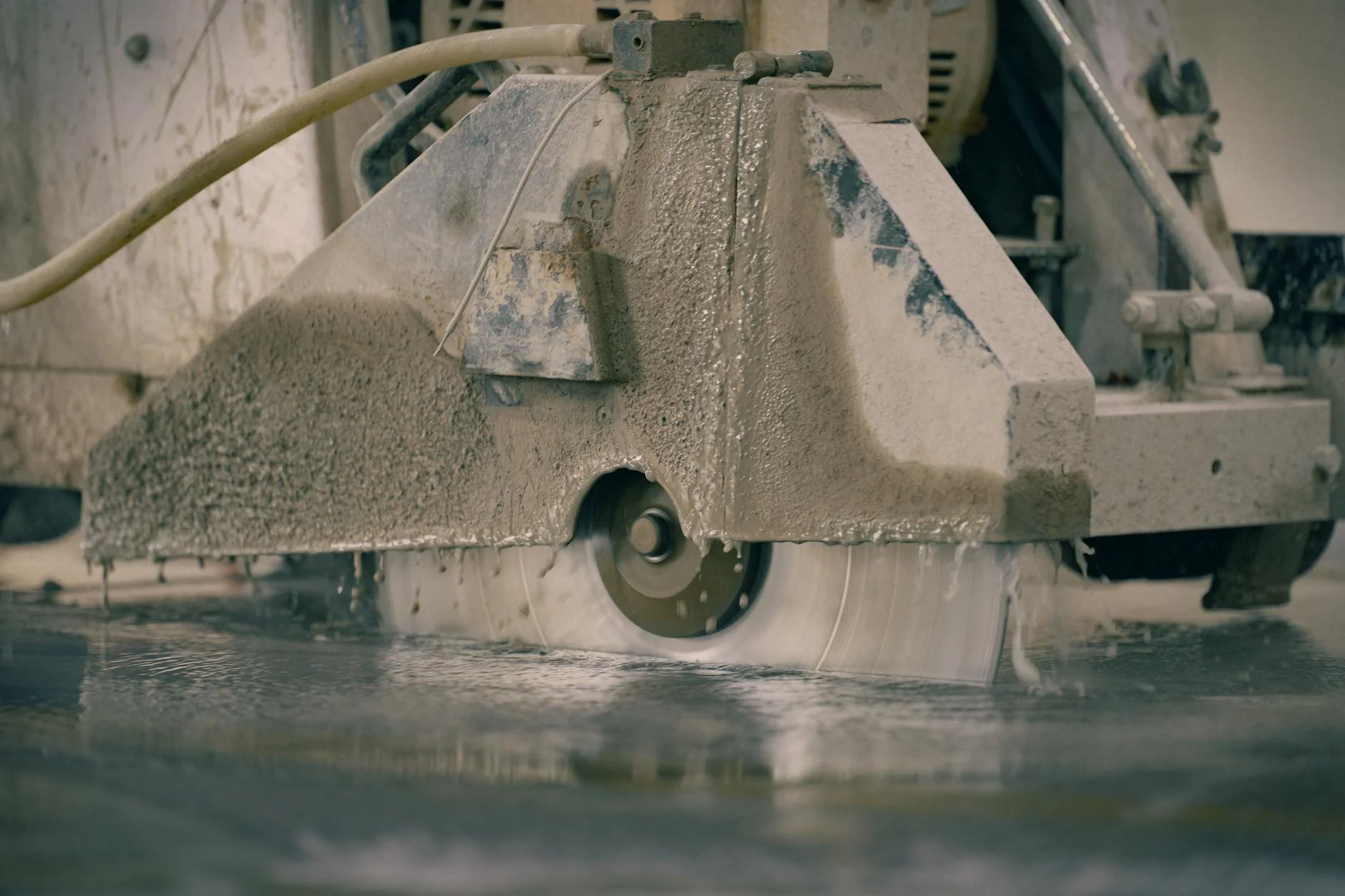
Understand when several controlled passes are safer than forcing one full depth cut and why.
What is step cutting with a diamond blade? It is a method that reaches the final depth through several controlled passes instead of forcing the blade to full depth at once(burying the blade). Each pass follows the same cut line and increases depth only as the saw, blade, material, and cooling method allow.
What is step cutting with a diamond blade?
Step cutting reduces the amount of blade engaged with the material at one time. That can make a deep or hard cut easier to control and can reduce heat and load compared with an unsupported full depth plunge. It also establishes a guide kerf that helps later passes stay on the intended line.
The correct increment is equipment specific.Manufacturers warn against cutting more than 1.5 inches per pass with a dry cut blade. This does not apply to every saw.
Step cutting compared to other cutting methods
Scroll sideways to see all columns.
| Method | How the cut advances | When to verify it |
|---|---|---|
| Step cutting | Several passes follow one line while the depth increases in controlled increments. | Deep cuts hard material dry cutting limits or whenever the saw manual calls for it. |
| Full depth cutting | The blade reaches the final depth and advances through the work at that setting. | Only when the saw blade material cooling and manual expressly support the method. |
| Chop cutting | A pivoting cutting head moves through a stationary piece in one downward operation. | Masonry saw work where the machine manual permits the material thickness and cut. |
| Plunge cutting | The blade enters the material at one location before the cut advances. | Only on equipment designed for plunge entry and with the required control and guarding. |
When and why step cutting is useful
- The required depth is greater than the allowed or practical depth for one pass
- The material is so hard that a full depth cut causes excessive load, slow progress or prematurely causes wear on the blade.
- Dry cutting requires limited engagement and cooling periods
- The first shallow kerf can provide a stable guide for later passes
- The saw manual names step cutting as the preferred or required method for the work
Step cutting is a technique, not a substitute for correct blade selection. A blade with the wrong material rating, arbor, speed, or wet dry designation remains wrong even if the operator uses shallow passes.
Match the blade before choosing the pass plan
The pass plan begins with the exact material and saw. Hard aggregate, abrasive block, reinforced concrete, asphalt, masonry products, and stone do not impose the same load or wear pattern as each other. Confirm the blade's material rating, bond, diameter, arbor, speed, and cooling instructions first. Use the saw’s manual to decide whether step cutting is required and how the depth should increase. Remember, a generic pass schedule cannot correct a mismatched blade.
A controlled step cutting process
- Confirm that the saw and blade manuals permit the method. Record the allowed final depth and any limit for each pass.
- Mark a straight reference line and secure the work or prepare the saw so the material cannot shift during repeated passes.
- Install the correct blade with the guard flanges and water or dust controls required by the manufacturer.
- Make the first shallow guide cut without twisting side loading or forcing the blade. Let the machine establish a consistent kerf.
- Repeat the pass along the full line and increase depth only by the amount permitted for that setup. Keep the blade aligned with the existing kerf.
- Monitor water delivery motor load cut tracking blade temperature and debris removal. Stop if the blade binds, deflects, chatters or loses cooling.
- After shutdown and isolation inspect the blade and saw before changing the setup or beginning the next cut.
What poor step cutting looks like
Scroll sideways to see all columns.
| Symptom | Possible cause | Next check |
|---|---|---|
| Kerf widens or wanders | The blade is deflecting or later passes are not following the guide cut. | Blade condition, flanges, alignment, feed pressure, and saw tracking. |
| Motor repeatedly overloads | The pass may be too deep or the feed may exceed the approved load. | Manual pass limit material matches power supply and blade exposure. |
| Blade slows and/or overheats | Cooling may be inadequate or the blade may be glazed or mismatched. | Water flow, dry cooling interval, bond selection and segment condition. |
| Cut chips at the edge | The work may move or the entry and exit may be too aggressive for the material. | Support guide accuracy, blade style and manufacturer technique. |
Safety rules do not change
Repeated shallow passes still require a complete blade guard, the correct arbor and flanges, a blade speed rating above the saw's operating speed, and a blade approved for the material and saw type. Manufacturers warn against side grinding, deflecting the blade, or making curves with a blade intended for straight cutting.
Silica controls also remain necessary. Use the wet method or dust collection procedure required for the equipment and task, keep slurry from drying, and follow the employer's exposure control plan. A shallow cut can still release respirable crystalline silica.
Frequently asked questions
How deep should each step cut be
Use the number in the exact saw and blade instructions. Published examples vary substantially because machine type material cooling and blade design change the allowed increment.
Is step cutting only for dry blades
No. Manufacturers describe step cutting for both wet and dry work. The wet or dry rating and pass instructions for the exact blade and saw still control.
Can step cutting extend blade life
Some manufacturers state that it can reduce load and extend blade life on their equipment. Treat that as a product specific benefit rather than a universal life claim.