
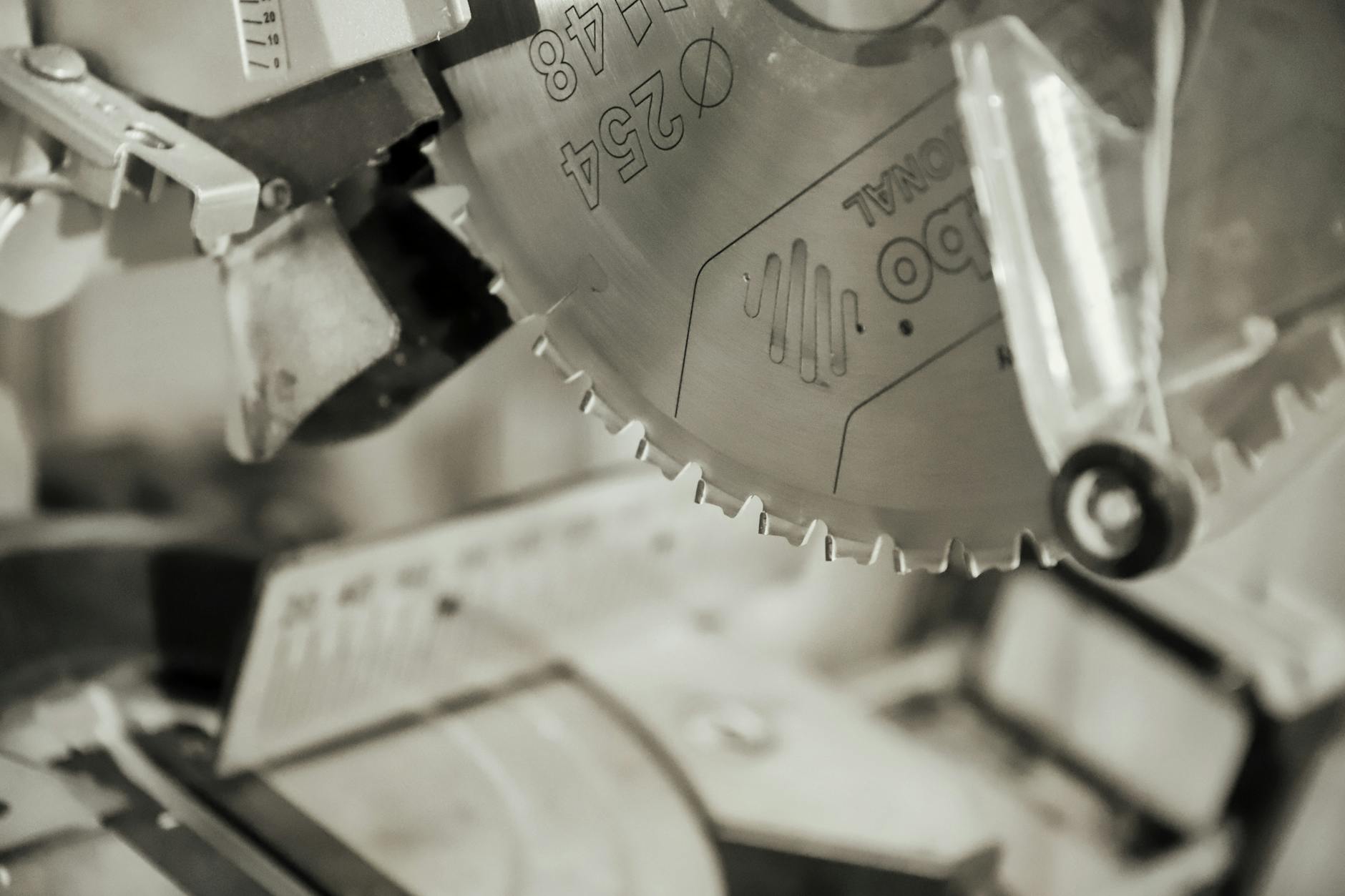
Start with the material
The single most important factor in selecting a diamond blade is the material being cut. Hard materials such as cured concrete or granite require softer, more abrasive bonds that expose new diamonds as the matrix wears. Softer or more abrasive materials such as green concrete or asphalt require harder bonds that resist premature wear from grinding particles.
Before anything else, identify the material category, the aggregate hardness, and any reinforcement such as rebar. These three details narrow the blade pool faster than any other input.
Match the cutting method
Once the material is clear, decide whether the job calls for wet or dry cutting. Wet cutting can reduce dust when the water delivery system is used correctly, cools the blade, and generally extends blade life, but requires a water-rated blade and a suitable wet saw setup. Dry cutting is more flexible on-site but introduces silica dust risks and faster blade wear, and dry-rated blades should be cycled to avoid overheating.
For a deeper comparison, see Wet Cutting vs. Dry Cutting.
Check blade bond and segment design
The bond is the metal matrix that holds the diamonds in place. A softer bond releases diamonds faster (good for hard materials), while a harder bond holds them longer (good for soft or abrasive materials). Segment height, segment count, and gullet design all affect cooling and cut speed.
If you cannot tell from a product listing what the bond and segment configuration is meant to cut, ask. Suppliers expect those questions on procurement-grade RFQs.
Verify saw and arbor compatibility
Even the right blade will underperform on the wrong saw. Confirm three points before purchasing:
- Diameter matches the saw’s rated capacity.
- Arbor size matches exactly; do not rely on bushings as a long-term fit.
- Max RPM on the blade meets or exceeds the saw’s operating RPM.
See Why Tool Compatibility Matters Before Sending an RFQ for the full procurement checklist.
Plan for job-site conditions
Field conditions shape blade life as much as specs do. Cold weather, embedded rebar, hard aggregate concrete, abrasive sand, and inconsistent water supply all change how a blade behaves. Note these conditions when you describe the job to a supplier — they will adjust their quote and recommendation accordingly.
Before you send the RFQ
When the above is documented, an RFQ becomes simple. Include the material, cutting method, saw horsepower and RPM, blade diameter and arbor size, expected cut volume, and any safety or compliance requirements. For silica-producing work, compare the request against OSHA's construction silica guidance and any stricter job-site rules. A clear request reduces back-and-forth and gets accurate quotes faster.
Frequently asked questions
What diamond blade should I use for concrete?
For concrete, contractors typically look at segmented blades, bond hardness, aggregate type, and whether the job allows wet cutting. Cured concrete with hard aggregate generally calls for a softer bond.
What is the difference between segmented and continuous rim blades?
Segmented blades are commonly used for faster, rougher cuts. Continuous rim blades are usually used for cleaner cuts on materials like tile. See Segmented vs. Continuous Rim Blades.
Should I use wet cutting or dry cutting?
Wet cutting can help reduce dust and heat and extend blade life. Always follow manufacturer guidance and job-site safety requirements when choosing between wet and dry workflows.
This article is for informational purposes only. Always follow manufacturer guidance, job-site safety requirements, and applicable regulations.